
The Ultimate Guide to the Most Comfortable Shoes for Nurses Surviving the 12-Hour Shift
Introduction: The Reality of the 12-Hour Nursing Shift
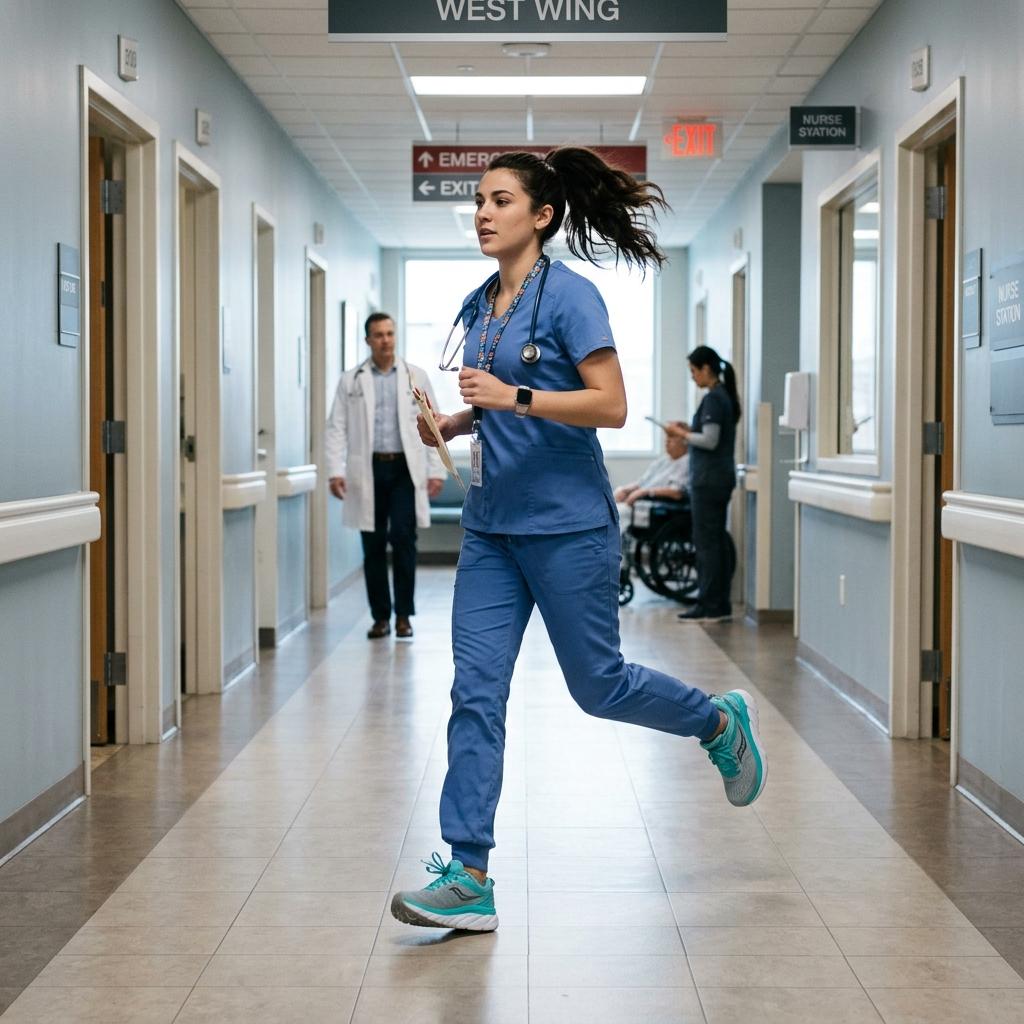
Imagine this scenario, which is all too familiar for thousands of healthcare professionals: It is hour nine of a grueling twelve-hour shift. You are a nurse running between patient rooms, constantly on your feet, answering call lights, administering medications, and providing critical care. The adrenaline might keep your mind sharp, but your body is telling a different story. Specifically, your feet are aching, sending throbbing signals of discomfort up your legs and into your lower back. The reality of the 12-hour nursing shift is not just mentally and emotionally taxing; it is an extreme physical endurance test that demands the utmost resilience. When you are dedicating your life to caring for others, it is heartbreakingly common to neglect your own well-being, particularly when it comes to occupational footwear. The foundation of your physical endurance during these marathon shifts lies entirely in what you wear on your feet. Choosing the wrong pair of shoes is not just a minor inconvenience; it is a direct pathway to chronic pain, fatigue, and even long-term musculoskeletal issues. Nurses take an average of 8,000 to 10,000 steps per shift, which translates to miles of walking on unforgiving, hard hospital floors. Every single step creates an impact that travels through the heel, into the knees, and up to the spine. Without the proper shock absorption, arch support, and cushioning, the cumulative effect of these impacts can be devastating. That is exactly why understanding the critical role of footwear is the first step toward transforming your daily work experience from a painful chore into a manageable, and perhaps even comfortable, routine. By acknowledging the severe physical toll of the nursing profession, we can begin to prioritize the solutions that truly make a difference, starting from the ground up.
Why the Right Footwear is a Matter of Occupational Health
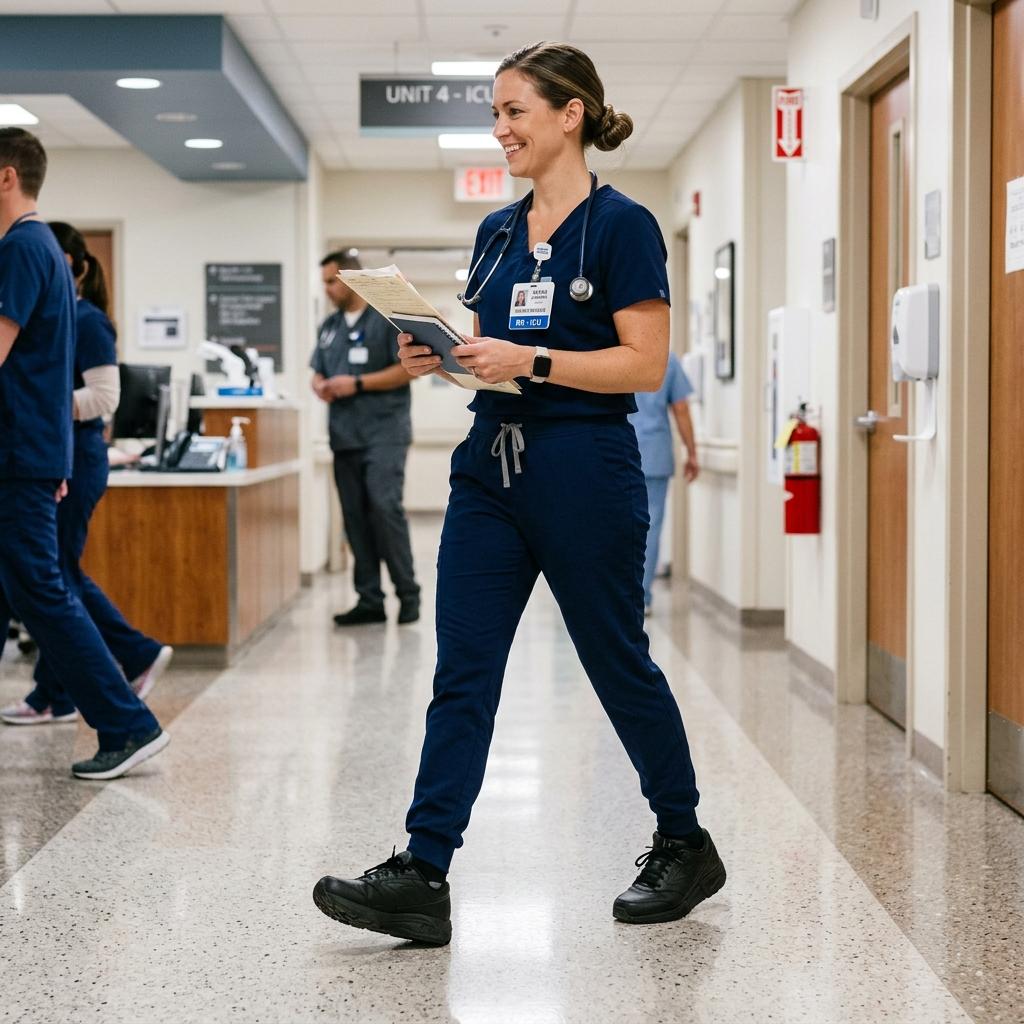
When discussing the most comfortable shoes for nurses, we must elevate the conversation from simple fashion or basic comfort to the realm of serious occupational health and safety. The physical demands placed on nurses are comparable to those of professional athletes in endurance sports, yet the gear is often treated as an afterthought. Wearing unsupportive, ill-fitting, or worn-out shoes leads to a cascade of biomechanical problems. Plantar fasciitis, a painful inflammation of the tissue that connects the heel bone to the toes, is rampant among nursing professionals. This condition is directly linked to prolonged standing and inadequate arch support. Furthermore, without proper alignment provided by high-quality footwear, nurses frequently suffer from shin splints, Achilles tendonitis, and severe lower back pain. These are not merely temporary aches; they are chronic conditions that can sideline a medical professional, leading to missed shifts, decreased quality of patient care due to distraction from pain, and in severe cases, early retirement from the field. Therefore, investing in top-tier nursing shoes is a non-negotiable health investment. It is a proactive measure to safeguard your most valuable asset: your body. When the foot strikes the ground, a shockwave is generated. Quality nursing shoes are engineered with specialized midsoles—often utilizing advanced EVA foams or proprietary cushioning technologies—that absorb this shock before it reaches the joints. Additionally, the structural integrity of a good shoe prevents overpronation or supination, ensuring that the foot maintains a neutral, healthy position throughout the walking cycle. By prioritizing footwear that addresses these biomechanical needs, nurses can drastically reduce their risk of occupational injuries, maintain their energy levels throughout long shifts, and ultimately extend their careers while enjoying a significantly higher quality of life both inside and outside the hospital walls.
Key Features to Look for in the Most Comfortable Shoes for Nurses
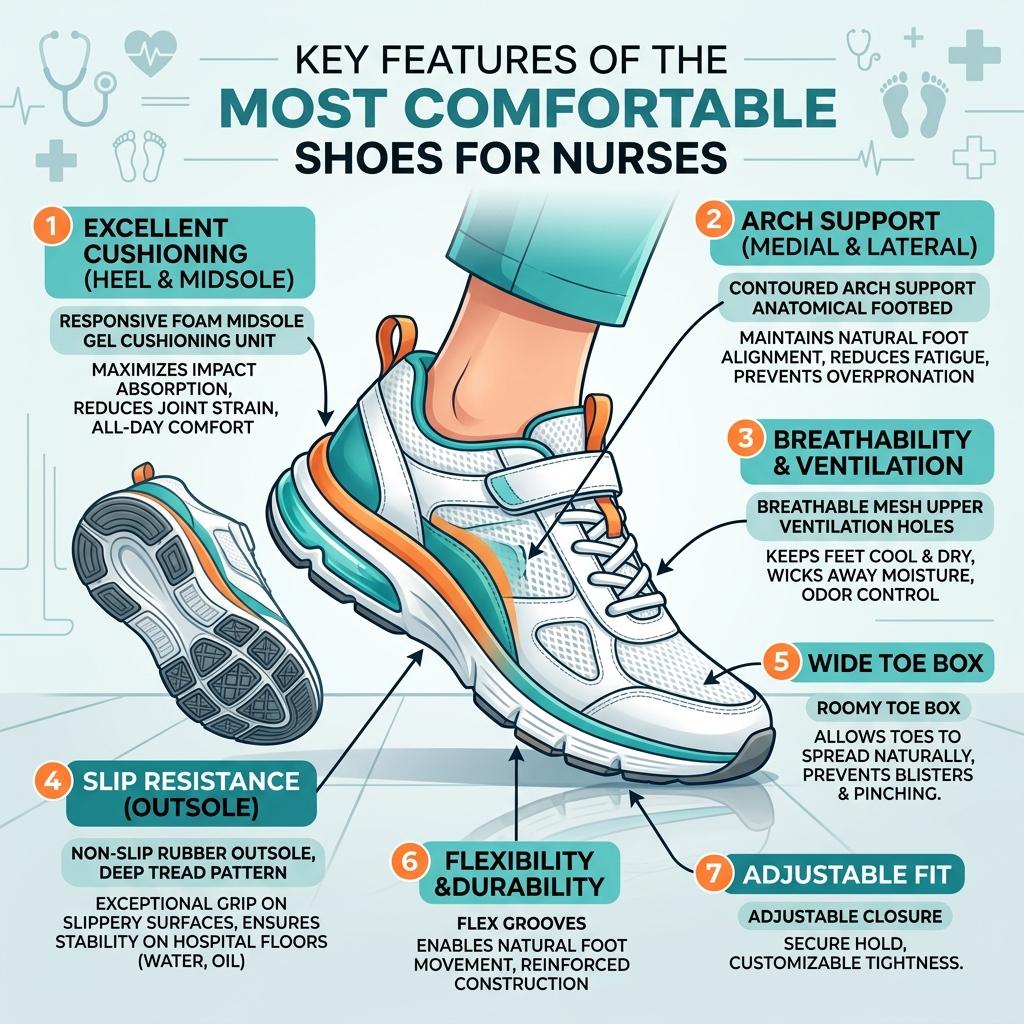
Navigating the overwhelming market of occupational footwear can be daunting, but knowing exactly what features to look for can simplify the process and guarantee a successful purchase. The most comfortable shoes for nurses are not just soft; they are meticulously engineered with several critical components that work in harmony. Firstly, cushioning is paramount, but it must be the right kind. Too soft, and the shoe will lack the necessary support for long hours of standing; too firm, and it won't provide adequate shock absorption. A dual-density foam setup is often the ideal solution, providing a plush feel immediately upon step-in while maintaining a firmer, supportive base layer that prevents the foot from bottoming out. Secondly, the toe box must be spacious. As the shift progresses, feet naturally swell. A narrow toe box will lead to painful compression, blisters, and the exacerbation of bunions. A wide, anatomically shaped toe box allows the toes to splay naturally, improving balance and circulation. Thirdly, the upper material must strike a delicate balance between breathability, fluid resistance, and ease of cleaning. In a hospital environment, spills of biological fluids or harsh chemicals are a daily hazard. Therefore, materials that can be easily wiped down or machine washed without degrading are essential. Furthermore, the heel counter—the rigid structure at the back of the shoe—must be firm enough to lock the heel in place, preventing slippage that can cause friction and instability. Finally, the overall weight of the shoe is a massive factor. Heavy, clunky shoes act like ankle weights, accelerating fatigue with every step. The most advanced nursing shoes utilize cutting-edge, lightweight materials that reduce the energy expenditure required for walking, allowing nurses to feel significantly fresher by the end of their twelve-hour marathon.
The Importance of Arch Support for Long Shifts
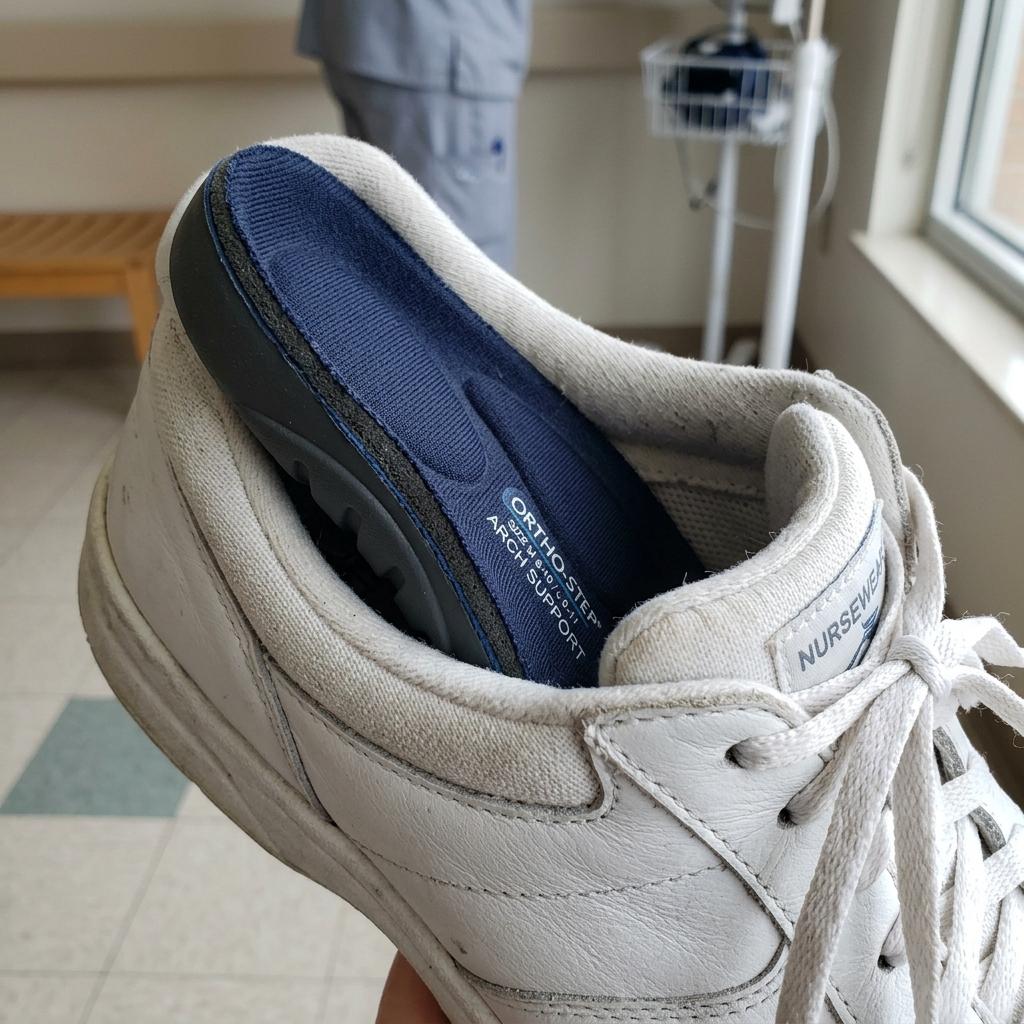
Perhaps the single most critical element in any shoe designed for continuous, all-day wear is robust and anatomically correct arch support. The human foot is an incredibly complex structure, consisting of 26 bones, 33 joints, and over 100 muscles, tendons, and ligaments. The arches act as natural shock absorbers and spring mechanisms, distributing body weight evenly across the foot. However, when subjected to the extreme stress of a 12-hour nursing shift on hard concrete or linoleum floors, these natural arches can begin to collapse or flatten out. This phenomenon, often referred to as fallen arches or overpronation, throws the entire lower body out of alignment. The knees rotate inward, the hips tilt unnaturally, and the lower back is forced to compensate, leading to severe, radiating pain. High-quality nursing shoes address this issue by incorporating rigid or semi-rigid shanks and contoured footbeds that mimic the natural shape of a healthy foot. This support acts like a buttress, preventing the arch from collapsing under the sustained weight of the body. Furthermore, proper arch support ensures that the plantar fascia is not overstretched. When the arch is properly supported, the tension on the plantar fascia is drastically reduced, which is the primary method for preventing and treating the dreaded plantar fasciitis. It is important to note that arch support is not one-size-fits-all. Some nurses have high, rigid arches, while others have flat, flexible feet. The best nursing shoes offer removable insoles, allowing professionals to insert custom orthotics if necessary. Ultimately, unwavering arch support is the invisible hero that maintains structural integrity, prevents fatigue, and keeps nurses moving efficiently, shift after shift, without the debilitating pain that plagues so many in the healthcare industry.
Ultra-Lightweight Shoes: Why Less is More for Nurses

In the relentless environment of healthcare, every ounce matters. The concept of ultra-lightweight footwear is revolutionizing how nurses approach their daily uniforms. While a few extra ounces per shoe might seem insignificant when holding them in your hands, the cumulative effect over the course of 10,000 steps is profound. Heavy shoes require more muscular effort to lift, swing, and place with every single stride. By the eighth, tenth, or twelfth hour of a shift, this excess energy expenditure manifests as profound leg fatigue, sluggishness, and an increased risk of tripping or stumbling. Ultra-lightweight shoes, conversely, operate on the philosophy that less is definitively more. By utilizing advanced synthetic materials, highly aerated foams, and minimalist upper constructions, these shoes dramatically reduce the burden on the lower extremities. The Laimminis Explorer spirit perfectly encapsulates this approach. Born in Inglewood, CA, our design philosophy prioritizes dynamic comfort without the unnecessary bulk. We understand that nurses need to move swiftly and effortlessly, whether responding to a code blue or simply navigating crowded corridors. Lightweight construction also often goes hand-in-hand with increased flexibility. A flexible shoe allows the foot to articulate naturally through its full range of motion, from heel strike to toe-off, rather than forcing it into a rigid, unnatural gait. This natural movement further reduces strain on the calves and Achilles tendons. Furthermore, modern lightweight materials have evolved to a point where weight reduction no longer means compromising on durability or support. Engineers can now create midsoles that are feather-light yet incredibly resilient, offering the perfect combination of agility and protection that today's fast-paced nursing professionals demand and thoroughly deserve.
Slip-Resistance: Safety First on the Hospital Floor
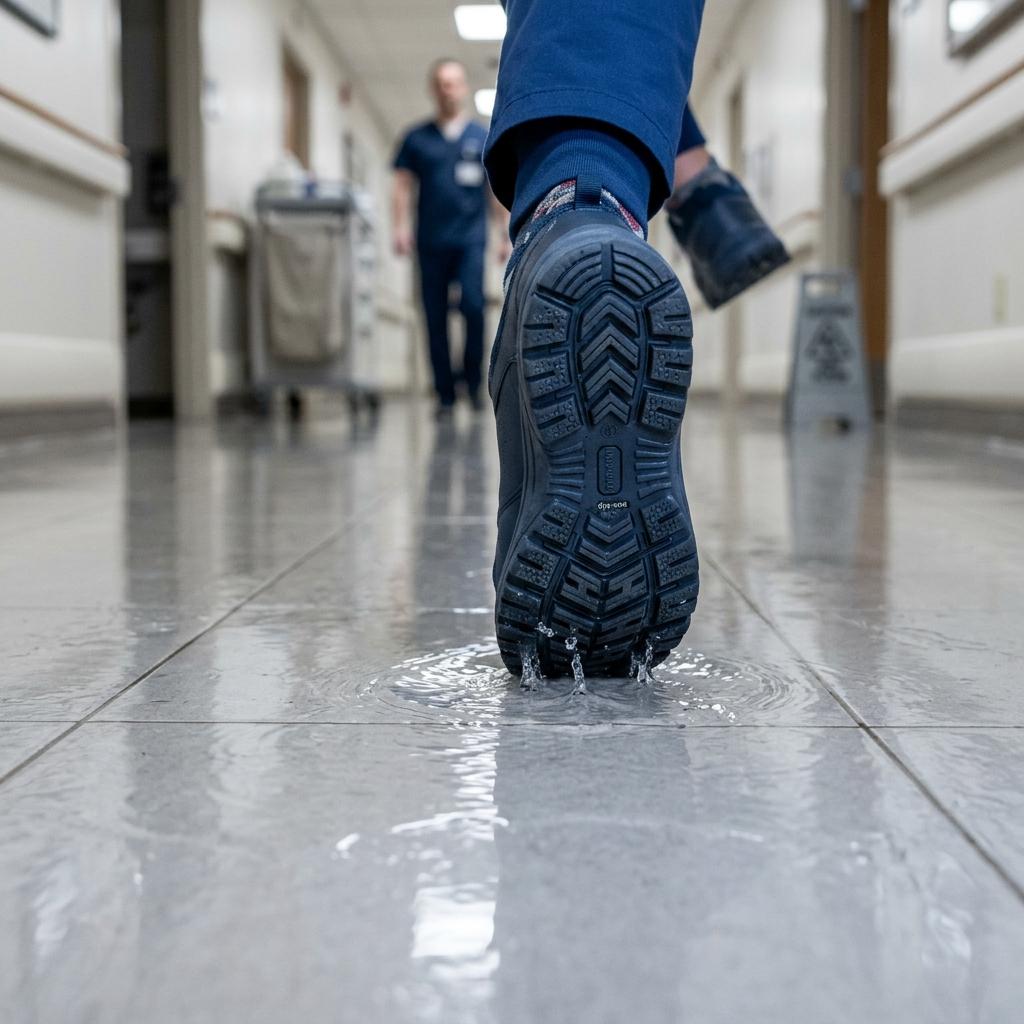
While comfort and support are critical for the long-term health of the nurse, slip-resistance is an immediate, non-negotiable safety requirement. Hospital environments are notoriously hazardous terrains. Floors are frequently composed of smooth, hard surfaces like polished linoleum or tile, which become incredibly slick with the slightest introduction of moisture. Spills are a constant reality, ranging from water and sanitizing chemicals to bodily fluids and medications. In an emergency situation where every second counts, a nurse cannot afford to slip, lose traction, or fall. Such accidents not only jeopardize the safety of the healthcare professional—leading to severe injuries like concussions, fractured wrists, or torn ligaments—but they can also compromise patient care if medications are dropped or a rapid response is delayed. Therefore, true nursing shoes must feature specialized slip-resistant outsoles. These outsoles are fundamentally different from standard athletic shoe bottoms. They are crafted from softer rubber compounds that offer superior grip on smooth surfaces. More importantly, they feature specific tread patterns—often hexagonal or micro-channel designs—that actively channel liquids away from the bottom of the shoe, maintaining continuous contact between the rubber and the floor. This is much like the tread on a high-performance rain tire. When evaluating the safety of a shoe, it is crucial to look for standardized slip-resistance ratings, ensuring they meet occupational safety standards. Furthermore, these outsoles must be durable enough to withstand the abrasive nature of daily wear while maintaining their gripping properties. For a deeper dive into our safety-focused footwear, check out our slip-resistant collection, designed specifically to keep you grounded and secure, no matter what challenges the shift throws your way.
How the Laimminis Explorer Spirit Empowers Nurses

At the core of the Laimminis brand is what we proudly call the 'Explorer Spirit'. Born in the vibrant and dynamic community of Inglewood, CA, Laimminis was founded on the belief that life is an expedition, and the gear you wear should empower you to navigate it with confidence and vitality. For nurses, this explorer spirit is not about climbing mountains or traversing jungles; it is about navigating the intense, unpredictable, and demanding landscape of healthcare. It means having the boundless energy to keep going, even when the shift seems never-ending. We recognize that nurses are the true everyday explorers, venturing into challenging situations with compassion, resilience, and unwavering dedication. To support this incredible mission, Laimminis footwear is engineered to be a catalyst for endurance. We don't just want to eliminate pain; we want to actively boost your energy. Our shoes are designed to return energy with every step, creating a propulsive feel that makes walking the hospital halls feel less like a chore and more like a fluid, dynamic movement. The Explorer Spirit is also about pushing boundaries and rejecting the status quo. For too long, nurses have had to settle for footwear that is either comfortable but unappealing, or stylish but agonizing. Laimminis shatters this compromise. We infuse our nursing shoes with sleek, modern aesthetics that reflect the professionalism and vibrancy of the wearer, without ever sacrificing an ounce of ergonomic support. When you slip on a pair of Laimminis shoes, you are not just putting on a uniform requirement; you are equipping yourself with a tool that respects your dedication, honors your hard work, and actively empowers you to conquer the longest, toughest shifts with an unyielding spirit of excellence.
Dynamic Comfort: The Science Behind Laimminis Technology

The phrase 'Dynamic Comfort' is more than just a marketing slogan at Laimminis; it is the fundamental scientific principle that drives our product development. Traditional comfort is often static—think of standing on a plush, thick rug. While it feels nice initially, it provides no structural support and quickly leads to fatigue when you begin to move. Dynamic comfort, on the other hand, is engineered specifically for bodies in continuous motion. It is the science of biomechanical synergy. Our technology begins at the midsole, the engine room of the shoe. We utilize advanced, proprietary foam blends that possess unique viscoelastic properties. This means the foam adapts instantaneously to the specific forces being applied. During a slow, standing phase, the foam compresses gently to distribute pressure evenly across the plantar surface. However, during rapid walking or running—like when responding to an urgent call—the foam firms up to provide a stable, responsive platform that maximizes energy return and propulsion. Furthermore, our Dynamic Comfort system incorporates progressive arch support that flexes perfectly with the natural articulation of the foot, ensuring that support is present precisely when needed and yielding when flexibility is required. The upper construction also plays a vital role. We utilize intelligent, multidirectional stretch fabrics that adapt to the changing volume of the foot throughout a 12-hour shift, eliminating pinch points and restrictive pressure. Finally, our heel-lock technology ensures that the rearfoot is stabilized, preventing the micro-slips that cause friction blisters and heel pain. By meticulously engineering every component to work dynamically with the human body in motion, Laimminis technology transcends basic cushioning, delivering a sophisticated, scientifically validated comfort experience that sustains nurses through their most demanding hours.
Comparing Nursing Shoe Materials: Breathability vs. Durability
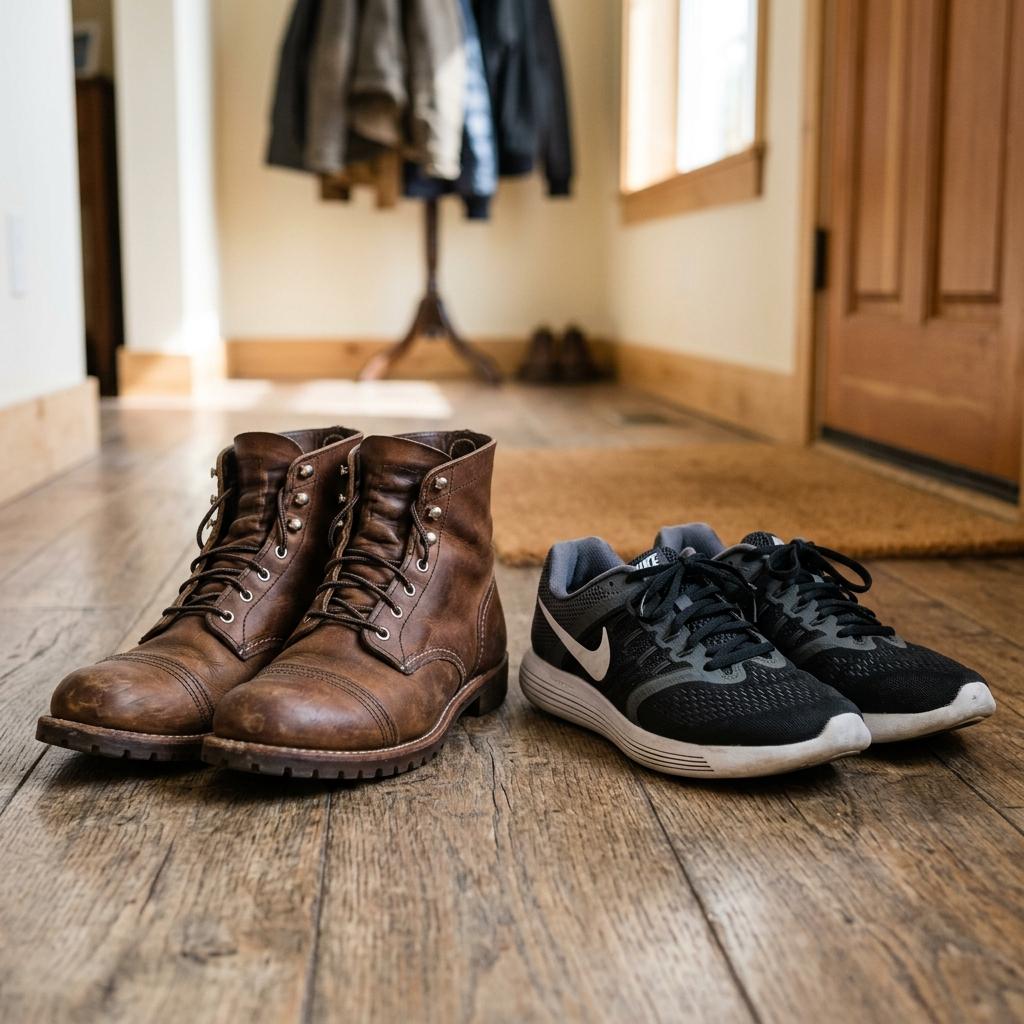
Choosing the right material for your nursing shoes often involves navigating the complex trade-off between breathability and durability, two critical factors that heavily influence daily comfort and long-term value. Breathability is essential because a 12-hour shift inevitably leads to heat generation and perspiration. If a shoe traps this moisture, it creates an uncomfortable, damp environment that accelerates blister formation and promotes the growth of odor-causing bacteria and fungi. Mesh uppers, often utilized in athletic-style nursing shoes, excel in this area. They are incredibly lightweight, highly flexible, and allow for maximum airflow, keeping the feet cool and dry. However, traditional mesh can fall short in terms of fluid resistance. A spilled medication or bodily fluid can easily penetrate a standard mesh upper, presenting a significant hygiene and safety hazard. Conversely, traditional materials like genuine leather or high-grade synthetic leathers offer unparalleled durability and supreme fluid resistance. A leather shoe can be easily wiped clean, sanitized, and polished, maintaining a professional appearance and protecting the foot from external contaminants. The downside is that leather is inherently less breathable, which can lead to overheating. To solve this dilemma, modern footwear engineering has introduced hybrid materials and advanced treatments. Many premium nursing shoes now feature tightly woven, ballistic-grade synthetics that mimic the durability and fluid resistance of leather while retaining the lightweight flexibility of mesh. Furthermore, advanced hydrophobic (water-repellent) coatings can be applied to breathable fabrics, allowing them to repel liquids without compromising airflow. When selecting the perfect pair, a nurse must carefully evaluate their specific working environment. If you work in an area with high fluid exposure, treated synthetics or leather are imperative. If you are constantly on the move in a warmer ward, highly ventilated, treated mesh might be the superior choice for maximizing comfort over the entire shift.
How to Properly Size and Fit Your Nursing Footwear

Even the most technologically advanced, perfectly engineered nursing shoe will be completely ineffective, and potentially harmful, if it is not sized and fitted correctly. Improper fit is the leading cause of foot pain, blisters, and structural issues among healthcare workers. Surprisingly, many adults wear the wrong shoe size, having never remeasured their feet since their early twenties. Feet naturally change shape and size over time due to age, weight fluctuations, and the cumulative stress of standing professions. To ensure a proper fit, it is highly recommended to measure your feet at the end of the day, or ideally, after a long shift. This is when your feet will be at their maximum swelling, providing the most accurate representation of the space you will need during your most challenging hours. When trying on shoes, always wear the exact type of compression socks or hosiery you plan to wear during your shifts, as the thickness of the sock can significantly alter the fit. You should have approximately a thumb's width of space between your longest toe and the end of the shoe. The heel should feel locked and secure, with absolutely no slipping when you walk. The widest part of your foot, the ball, should rest perfectly in the widest part of the shoe, without feeling pinched or compressed. Furthermore, pay close attention to the instep (the top of the foot). The laces or slip-on mechanism should hold the foot securely without cutting off circulation or causing top-of-foot pain. Do not fall into the trap of thinking a shoe will 'break in' over time. A high-quality nursing shoe should feel comfortable and supportive immediately out of the box. By prioritizing precise sizing and a meticulous fitting process, you guarantee that the advanced features of your footwear can function optimally, providing the comfort and protection you desperately need.
Frequently Asked Questions (FAQ) About Nursing Footwear
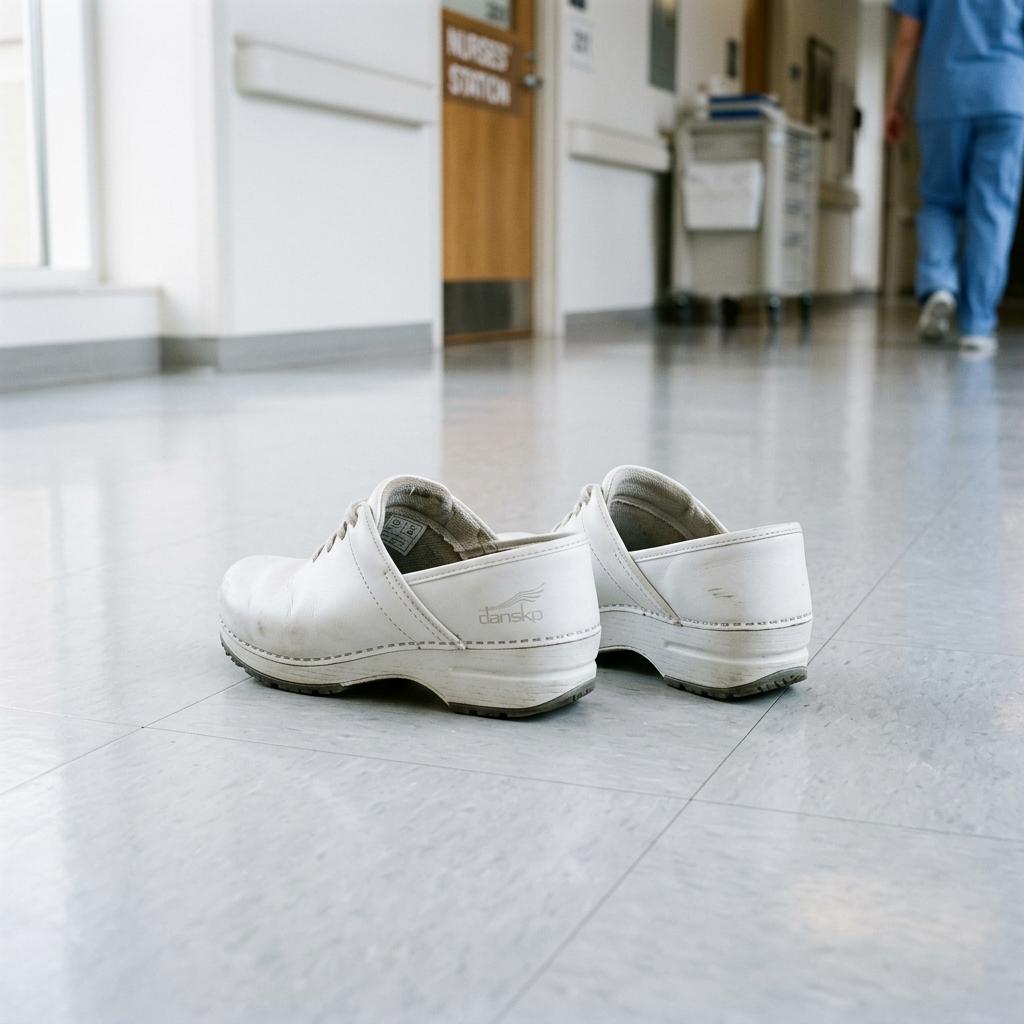
How often should I replace my nursing shoes?
For nurses working full-time (three to four 12-hour shifts per week), it is generally recommended to replace your shoes every 6 to 8 months. Even if the exterior looks pristine, the internal EVA foam cushioning breaks down over time from constant compression, losing its shock-absorbing capabilities and leading to increased joint pain.
Are slip-on shoes or lace-ups better for nurses?
Both have advantages. Slip-ons are incredibly convenient, easy to clean, and eliminate the risk of tripping over untied laces. However, lace-up shoes offer a highly customizable fit, providing better midfoot lockdown and lateral stability, which is often preferred by nurses who do a lot of rapid, multi-directional moving.
Can I just wear regular running shoes for my nursing shifts?
While running shoes offer excellent cushioning, they are designed for forward, linear motion rather than prolonged standing or lateral movements. Furthermore, standard running shoes often lack the necessary slip-resistant outsoles and fluid-resistant uppers required for safety in a clinical hospital environment.
Why do my feet swell so much during a 12-hour shift?
Prolonged standing causes blood to pool in the lower extremities due to gravity, leading to fluid retention (edema) in the feet and ankles. Wearing compression socks and choosing shoes with a wider, accommodating toe box can significantly mitigate this uncomfortable swelling.
Understanding the nuances of occupational footwear is an ongoing process. By asking the right questions and staying informed about the latest advancements in ergonomic design and materials, healthcare professionals can make educated decisions that profoundly impact their daily comfort, long-term health, and overall career longevity. Always prioritize safety, support, and a customized fit over aesthetic trends.
Conclusion: End Shift Pain Today
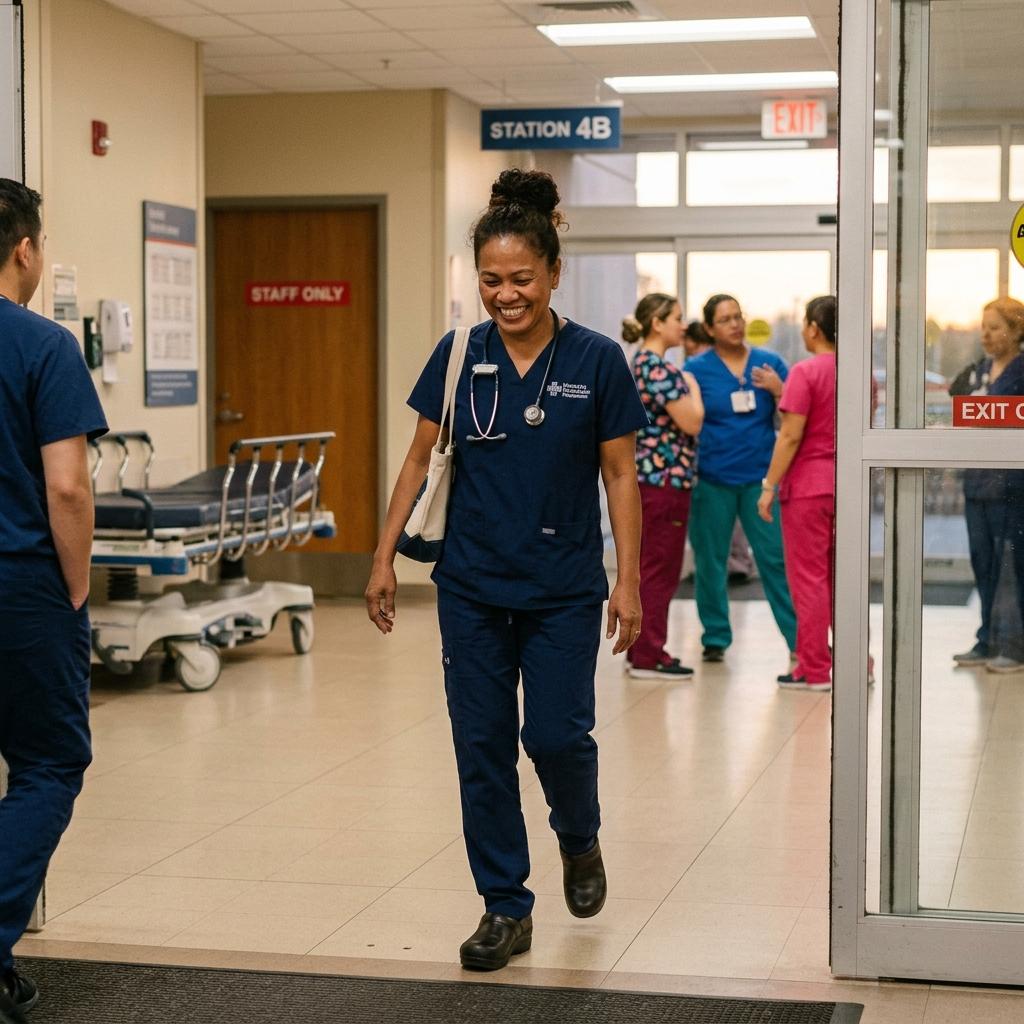
Surviving a 12-hour nursing shift should not be synonymous with enduring agonizing foot and back pain. The physical toll of the profession is immense, but it is not entirely unavoidable. By recognizing that your footwear is the most critical piece of equipment in your daily arsenal, you can take control of your occupational health and dramatically improve your quality of life. We have explored the critical importance of robust arch support, the energy-saving benefits of ultra-lightweight construction, and the absolute necessity of slip-resistant safety outsoles. We have also delved into the science of dynamic comfort—the core philosophy behind the Laimminis Explorer spirit, designed to propel you forward with vitality rather than holding you back with fatigue. You dedicate your career to healing and comforting others; it is time you afford yourself the same level of care. Stop settling for inadequate shoes that leave you drained and aching by hour nine. Embrace the technological advancements and ergonomic designs that are explicitly engineered for the heroic demands of your profession. Elevate your workday, protect your joints, and reclaim your energy. End shift pain today. Explore our meticulously designed, ultra-lightweight, and supremely supportive Laimminis Nursing Collection, and experience the transformative difference of footwear built specifically for the everyday explorer in healthcare.